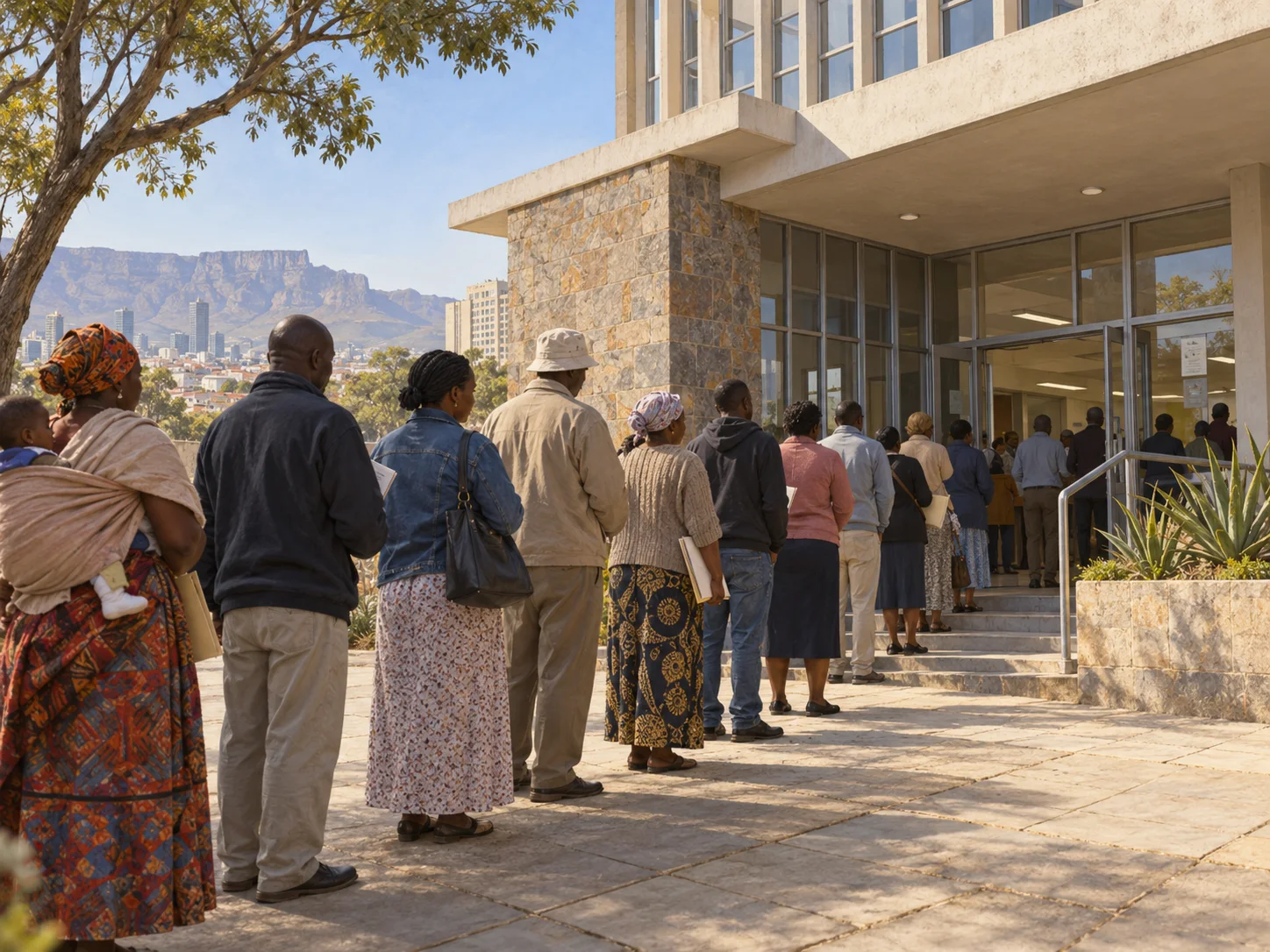
In September 2012, a South African government essay argued that standing in a Department of Home Affairs queue was not merely an administrative issue but “an issue of rights.” Birth, identity, marriage and death certificates support far more than bank accounts or driving licences: they can protect inheritance, identify children in armed conflict and establish the age of a girl facing forced marriage. The document obtained at the counter connects a person’s legal existence to other institutions.
The essay was published as representatives of 54 African countries met in Durban to discuss civil registration. It reported that birth-registration coverage in some countries did not reach thirty per cent, potentially leaving seventy per cent of people invisible to official systems. This queue cannot be understood only as a delay to be shortened. The ability to take a place in it affects access to education, health care, inheritance and protection; position at the counter is an initial foothold in citizenship.