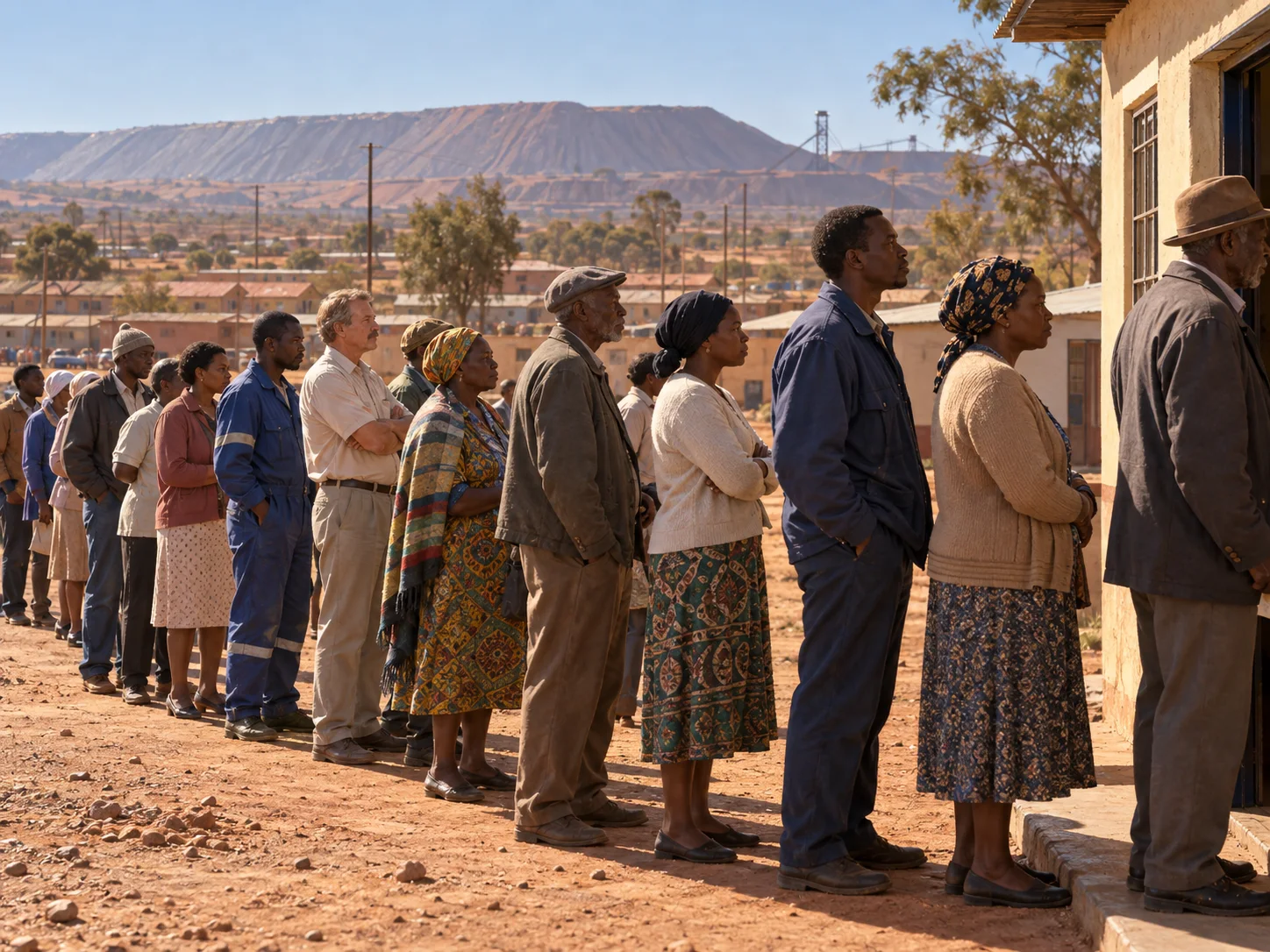
On 27 April 1994, South Africa held its first democratic election open to voters of every race. People waited for hours, and some queues extended for more than a kilometre. For many Black citizens denied the franchise under apartheid, it was the first ballot of their lives.
Voting stretched across several days to accommodate the extraordinary turnout, and nearly 20 million South Africans cast ballots. Despite shortages and organisational problems, people continued to line up at polling stations.
The length reflected more than administrative failure. It was also the physical form of political inclusion: citizens previously excluded were moving toward the same roll and the same ballot box.