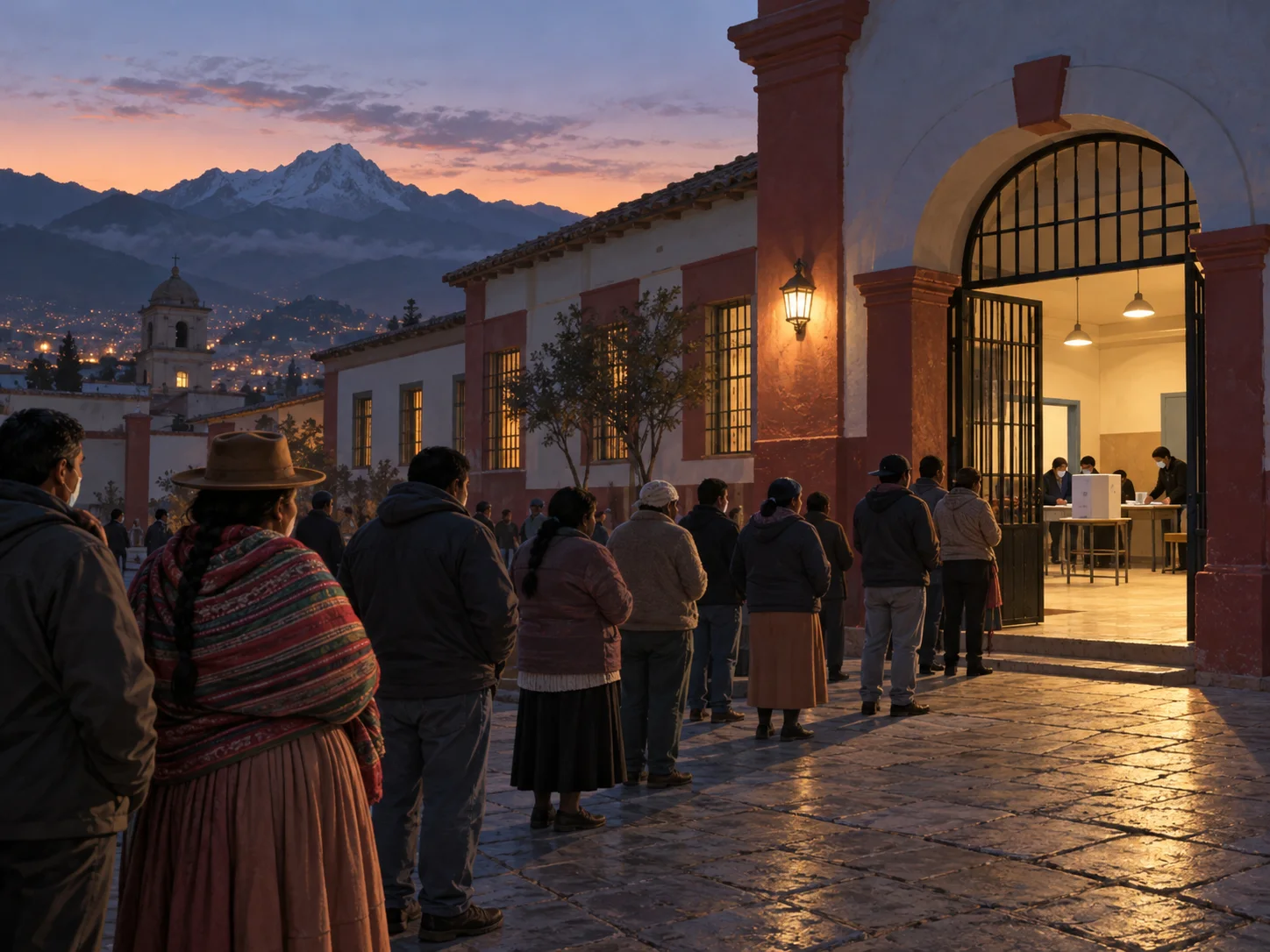
Long lines formed at polling places during Peru's general election on 11 April 2021. The European Union Election Expert Mission found that absent polling-station members delayed opening, especially in Lima. Under Peruvian law, some voters waiting in line were recruited to replace them. Because older adults had been encouraged to vote between 7 and 9 a.m., the morning disruptions particularly affected older and disabled voters.
What makes this queue unusual is that people waiting for a service became the people required to make it function. A polling place does not open through buildings and ballot boxes alone. Citizens must staff registration, voter lists and ballot procedures. Recruiting from a stalled line was an emergency response, but it also exposed the civic labor beneath an election.
Staggered hours had been designed for infection control, yet a small staffing failure produced lines across the country. Democratic waiting depended not only on political disagreement, but on whether someone appeared to sit on the other side of the table.