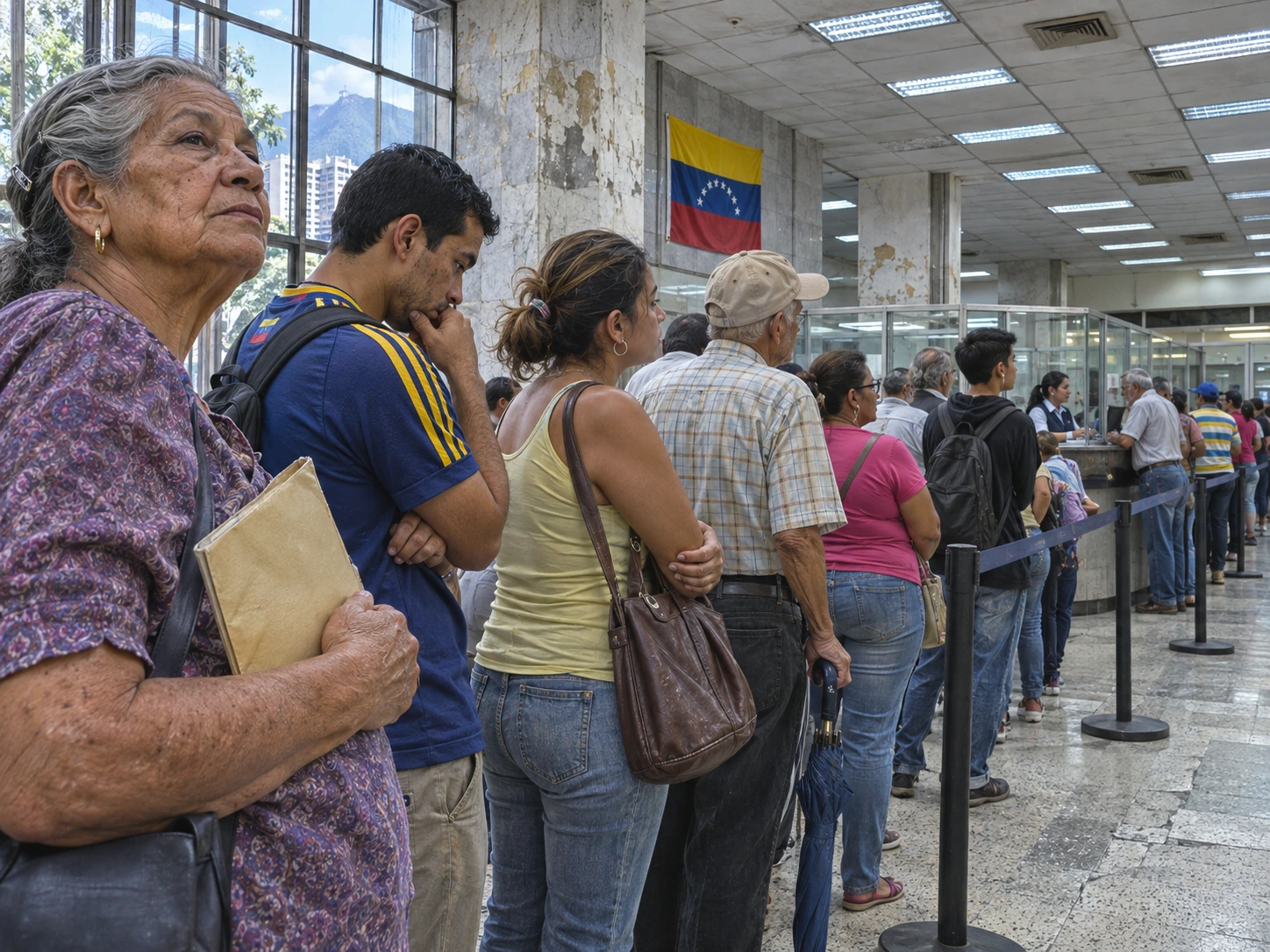
In December 2016, Venezuela abruptly moved to withdraw the 100-bolívar note, then the country’s highest denomination. New, larger notes had not arrived in sufficient quantity before the old bill’s deadline. Reuters described vast lines at banks alongside cash shortages, protests, looting and at least one death. At the black-market exchange rate, the supposedly largest banknote was worth only about four US cents.
This was not a simple currency swap. About 40 percent of Venezuelans lacked bank accounts and could not readily substitute electronic payments for cash. People still needed notes for food, fuel and Christmas purchases. Meanwhile, planes carrying the new 500-, 2,000- and 20,000-bolívar notes were delayed. The government presented the withdrawal as an operation against smugglers and criminal cash networks and closed crossings with Colombia and Brazil.
On 17 December, President Nicolás Maduro postponed the withdrawal and allowed the 100-bolívar note to remain usable until 2 January. People in the bank lines were not seeking an asset that might appreciate. They were trying to move cash into an acceptable form before a deadline could turn it into paper that shops would refuse. Most bank queues are formed by people trying to obtain banknotes. This one reversed the transaction: the urgent task was to return banknotes to the banking system while they could still be recognized as money. Extending the deadline did not repair the currency system; it only increased the time available for exchange. In an economy where ordinary purchases required bags of notes, the exchange window itself had become essential infrastructure.